Material into shelter
Clay, natural building, and the passage from sculptural enclosure to inhabited space.
Sculpture · Ecology · World-building
Forms that hold light.
Spaces that hold life.
01 / Selected material studies
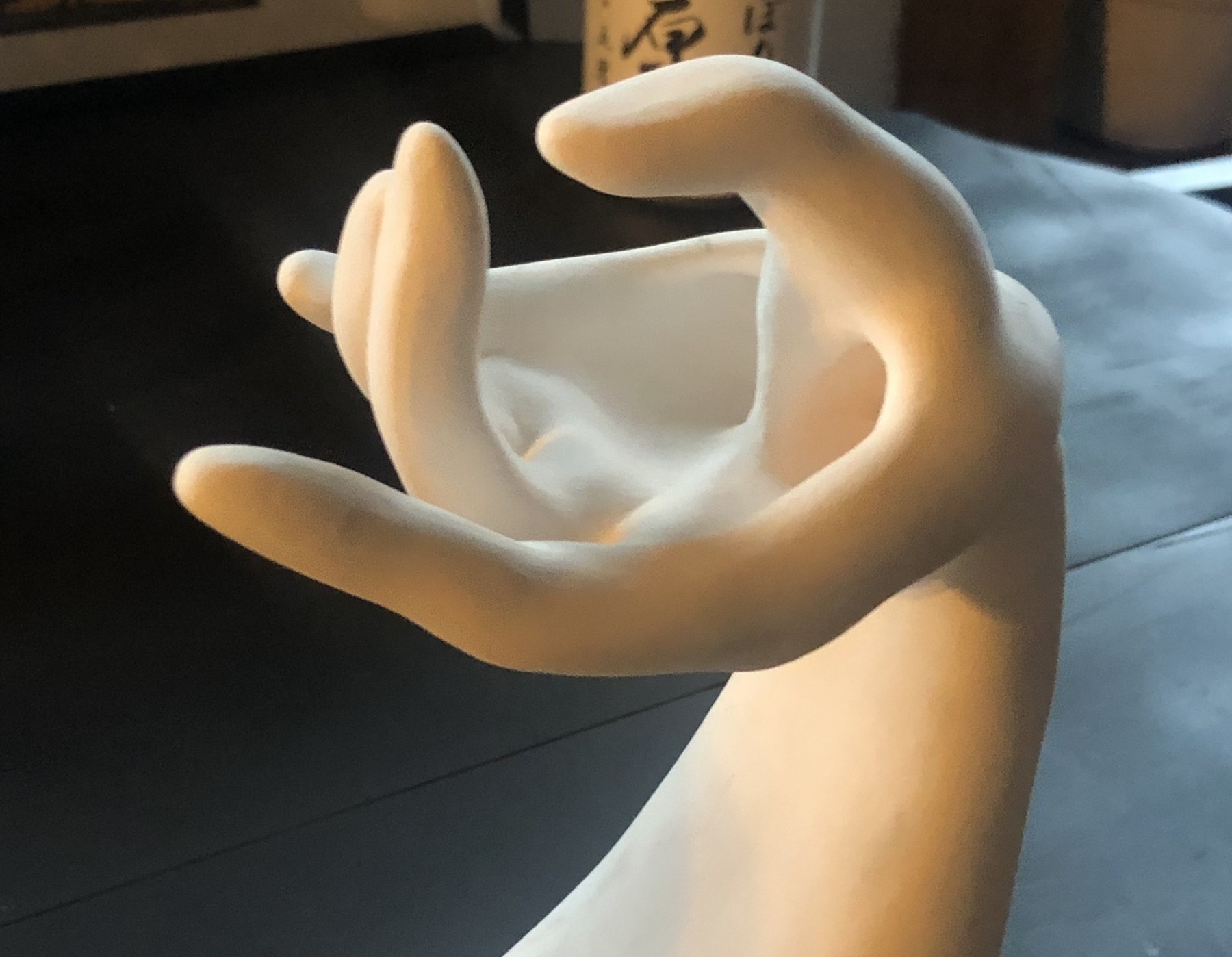
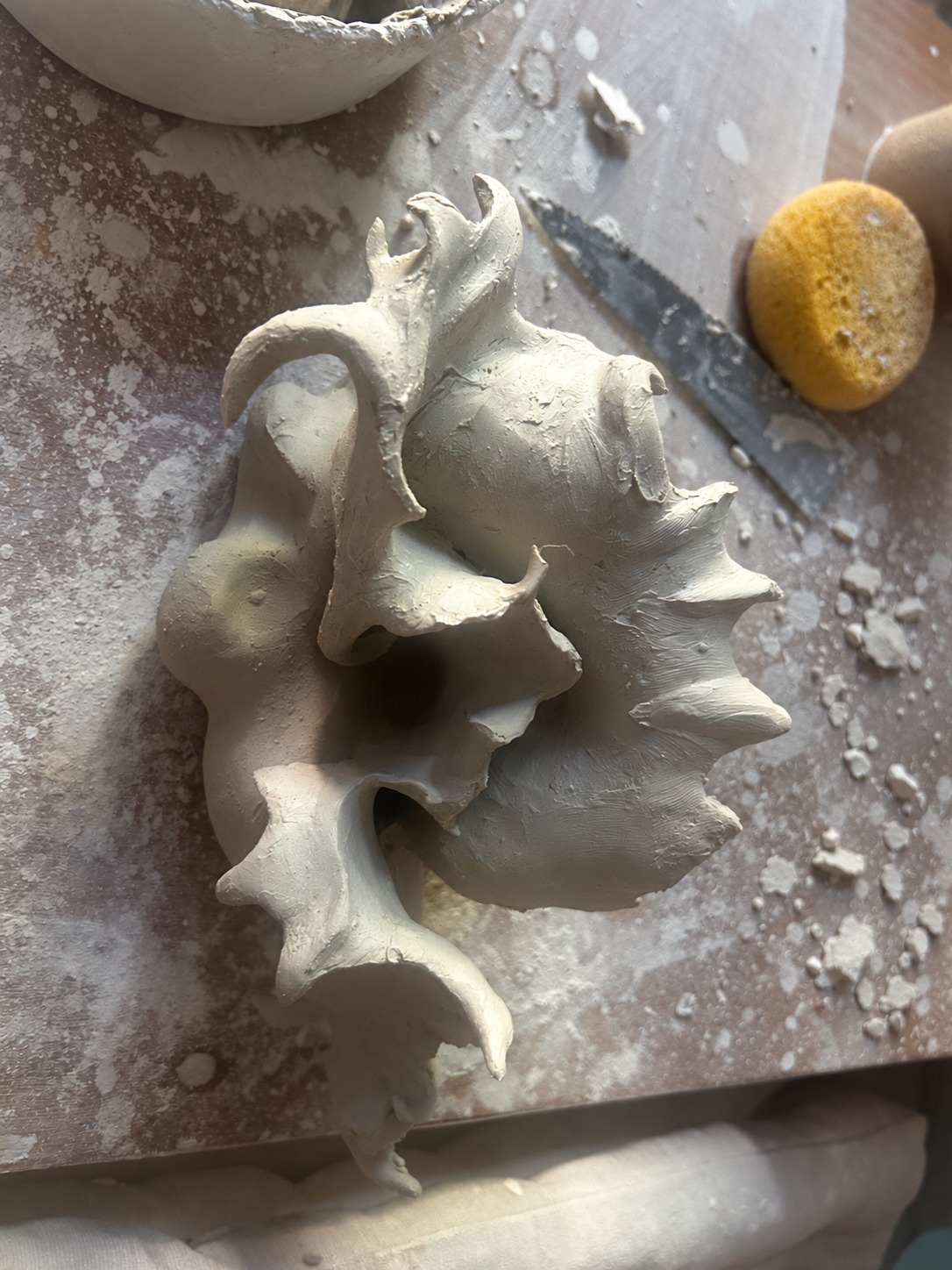
Clay folds, cups, and unfurls. An interior becomes visible. Across these works, the forms of bodies, plants, and marine life meet the language of shelter.
Descriptive labels identify the studies shown; they are not formal artwork titles. Select an image to view it in full.
02 / The continuing question
My practice begins with earth and reaches toward the environments we inhabit.
I work with clay, porcelain, and light to explore openings, boundaries, and the relationship between a form and the life it might hold. A vessel can suggest a body, a flower, or a room.
My longer inquiry moves toward natural building and water-focused environments: places where material, ecology, and human experience are considered together.
Future architectural and ecological environments are a developing research direction, grounded in earlier field study and an architecture internship in Bangkok.
Clay, natural building, and the passage from sculptural enclosure to inhabited space.
Water as habitat, infrastructure, and sensory experience; design informed by the ecosystems it enters.
Porcelain as a membrane between matter and illumination, containing and shaping light.
03 / A lineage of questions
The inquiry began long before the studio. These experiences continue to shape the questions I bring to material and place.
Reading Anastasia and the Ringing Cedars series introduced me to the idea of a “Space of Love”: a home and landscape conceived around relationships between people and the natural world.
At the University of Denver, I studied environmental science and permaculture, including how to design garden systems that mirror ecological systems. This became a way to investigate water, energy, food, waste, and the relationships that sustain everyday life.
I learned about approaches to island development, floating habitation, teak construction, and mangrove ecosystems. Encountering both living reefs and bleached coral made ecological loss tangible. We also studied how economics must align with sustainability: when a single kill of an endangered species can earn a hunter a year’s income, how can people be stewards of the environment while struggling to survive? This raised questions about livelihoods, conservation, and the economic conditions that make stewardship possible.
At the International Sustainable Development Studies Institute (ISDSI), I studied the confluence of environmental issues, government, and the economy, and how these interconnected forces affect local and Indigenous communities. Later, discovering The Art of Natural Building opened a path toward earthen architecture. An architecture internship in Bangkok brought hands-on work with a bamboo model for a sustainable reconstruction project in Chiang Rai.
Through a University of Denver study program in Dharamsala, I explored the Tibetan government-in-exile and the experiences of a community living far from its homeland. The inquiry centered on a question that remains with me: can genocide be overcome without violence?
The program offered a way to consider cultural survival through education, art, spiritual traditions, and the relationships that sustain a community in exile. It challenged romanticized images of Tibet, making space for the complexity of people’s lives, the realities of displacement, and their aspirations for autonomy. This exploration became my first bridge into the world of politics, which continues to interest me to this day. These questions also inform how I think about art, belonging, and nonviolent change.
Sculpture offers a material language for these inquiries. The work grows toward environments in which earth, water, light, and human life can meet.
Architecture internship / Bangkok, Thailand
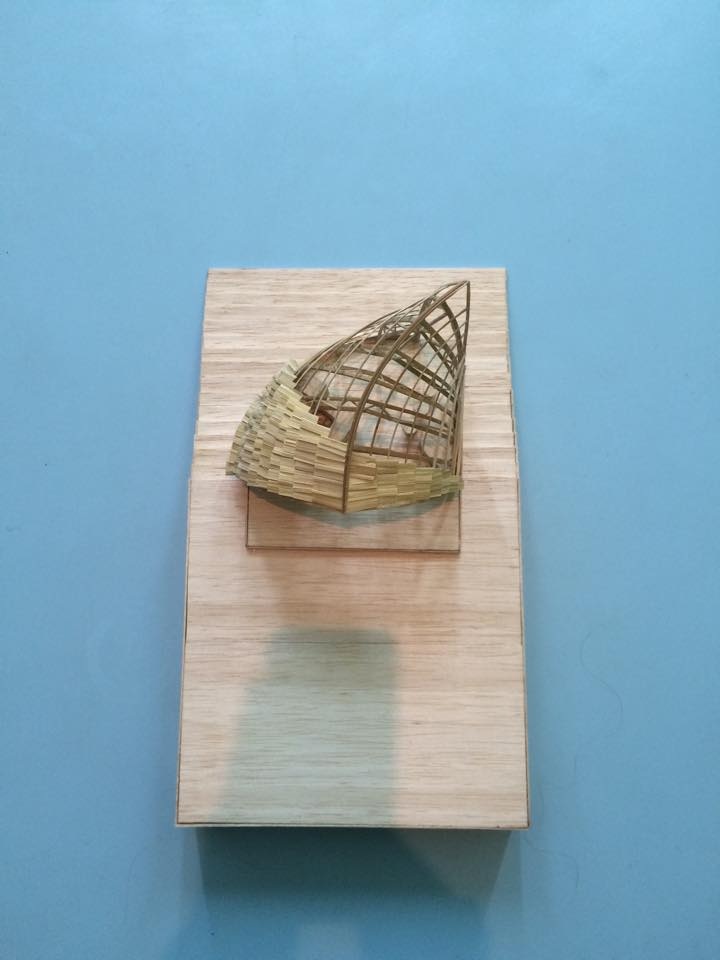
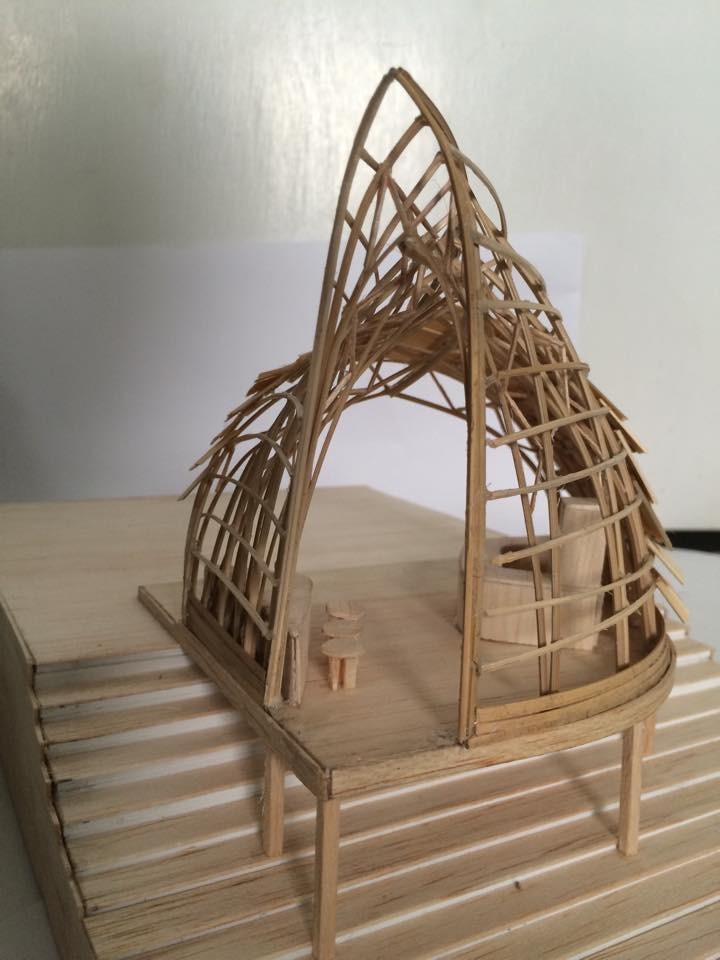
During an architecture internship in Bangkok, I built a bamboo architectural model as part of work focused on sustainable reconstruction in Chiang Rai following an earthquake.
The project explored bamboo as an alternative to concrete, bringing questions of earthquake resilience, material resources, cost, and the cultural meaning of building materials into the design process.
Working on the model gave me a direct experience of material becoming shelter: curved ribs, woven walls, and an opening shaped around human space. It remains part of the foundation of my practice.
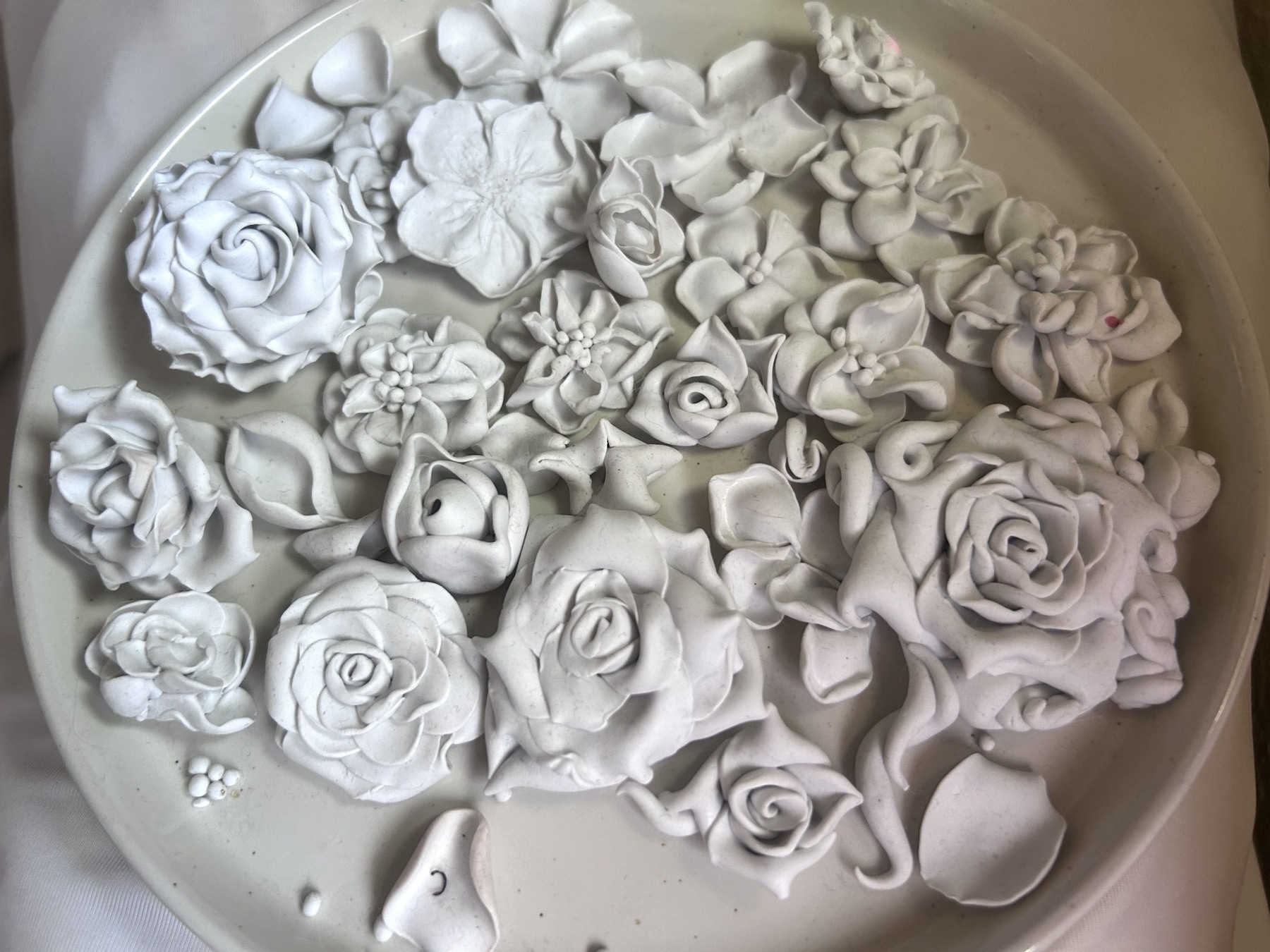
Small forms, repeated gestures, experiments in light. Lumoire is the studio where this practice takes material shape.
04 / The artist
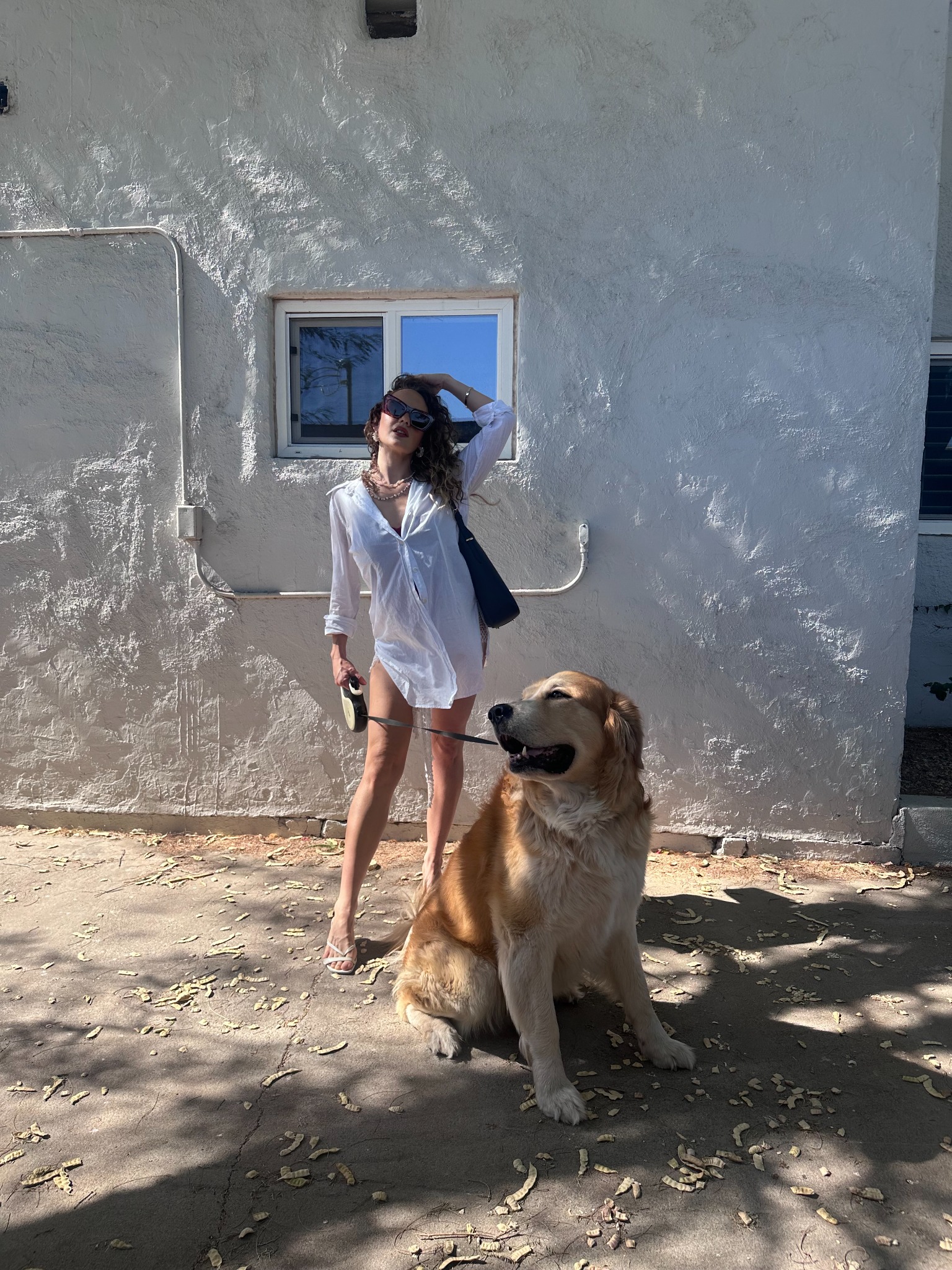
Antonia Maeclare is a Phoenix-based artist working with ceramic sculpture, porcelain, and light. Her practice is informed by environmental study, field learning in Belize and Thailand, an architecture internship in Bangkok, and an inquiry into nonviolence and cultural survival in India.
Through material experiments and an expanding interest in natural building and water-focused design, she asks how human environments might deepen our relationship with the living world.
Sculpture, ecological inquiry,
and inhabitable worlds.